
Renting a car should make travel easier—whether you’re visiting Fresno for business, your personal vehicle is in the shop, or you need a larger vehicle for a trip. But when an accident happens in a rental car, the situation becomes complicated fast. Who’s responsible for the damages? What insurance actually covers you? Will the rental company come after you for thousands of dollars?
Rental car accidents involve confusing insurance layers, aggressive rental companies that want to maximize their recovery, and fine print in rental agreements that most people never read. You might think you’re covered, only to discover gaps that leave you personally liable. Or you might be hit by someone driving a rental car and struggle to identify who to hold responsible.
At Grossman Law Offices, we’ve spent over 50 years helping accident victims in Fresno navigate complex injury claims. Rental car accidents present unique challenges involving multiple insurance policies, corporate liability, and contract disputes—but we know how to fight for the compensation you deserve.
Common Rental Car Companies
California has numerous car rental options, from major national chains to local companies and peer-to-peer car sharing services:
- Traditional rental companies – Enterprise, Hertz, Budget, Avis, National, Alamo, Dollar, and Thrifty operate at airports, in cities, and in neighborhoods throughout Fresno and the Central Valley. These companies rent vehicles ranging from economy cars to luxury vehicles and trucks.
- Peer-to-peer car sharing – Turo, Getaround, and Zipcar allow individuals to rent vehicles directly from car owners rather than from a company fleet. These services create different liability questions because the car owner, not a rental company, is involved.
- Specialized rentals – U-Haul and similar companies rent trucks and moving vehicles, which present additional risks due to their size and the fact that renters often have no experience driving large vehicles.
Regardless of where you rented the vehicle or who you rented it from, accidents involving rental cars create unique legal and insurance complications.
Who Can Be Injured in Rental Car Accidents
- Renters driving the rental car – If you were driving a rental vehicle when the accident occurred, you may be dealing with injuries, vehicle damage claims from the rental company, and questions about which insurance policy covers what.
- Passengers in the rental car – If you were a passenger in a rental vehicle, you’re entitled to compensation for your injuries regardless of who caused the accident.
- Drivers and passengers in other vehicles – If you were hit by someone driving a rental car, identifying the responsible parties and available insurance coverage can be challenging.
- Pedestrians, cyclists, and motorcyclists – If you were struck by a rental vehicle, you face the same complications as other victims hit by rental cars.
- Authorized additional drivers – If you were listed as an additional driver on the rental agreement and had an accident, your liability depends on the terms of the rental contract and available insurance.
- Unauthorized drivers – If you were driving a rental car without being listed on the rental agreement, you may have little to no insurance coverage and could face serious personal liability.
The Confusing World of Rental Car Insurance
Understanding what insurance covers you in a rental car is critical—but it’s deliberately complicated. Rental companies profit from selling insurance products, and they use confusing terms and aggressive sales tactics. Here’s what you need to know:
Your personal auto insurance – Most personal auto insurance policies extend coverage to rental cars, but not always. Liability coverage typically transfers, meaning if you cause an accident in a rental, your personal policy covers injuries and damages to others up to your policy limits. Collision and comprehensive coverage may also extend to rentals, covering damage to the rental vehicle itself. However, some policies exclude certain types of rentals (like trucks or luxury vehicles) or rentals over a certain value or duration.
Credit card coverage – Many credit cards offer rental car coverage as a cardholder benefit, but this is typically secondary coverage that only kicks in after your personal insurance. It usually covers damage to the rental vehicle (collision damage waiver) but not liability for injuries to others. Coverage limits, exclusions, and claim procedures vary widely by card issuer.
Rental company insurance products – Rental companies offer several insurance options with confusing names and overlapping coverage:
Loss Damage Waiver (LDW) or Collision Damage Waiver (CDW) – This isn’t technically insurance—it’s a waiver where the rental company agrees not to hold you liable for damage to their vehicle. It’s expensive (often $15-30 per day) but can provide peace of mind. However, it often has exclusions for reckless driving, DUI, unpaved roads, and unauthorized drivers.
Supplemental Liability Insurance (SLI) – Provides additional liability coverage beyond what your personal policy offers. This can be valuable if you have low liability limits on your personal policy or no personal insurance at all.
Personal Accident Insurance (PAI) – Covers medical expenses for you and your passengers. Usually unnecessary if you have health insurance.
Personal Effects Coverage (PEC) – Covers theft of personal belongings from the rental car. Your homeowners or renters insurance likely already covers this.
The rental company’s insurance – Rental companies carry their own insurance, but they’ll only use it as a last resort. They’ll first try to recover from you, your insurance, or any other available source. In accidents caused by their vehicle’s mechanical failure or poor maintenance, their insurance may be primary.
For peer-to-peer rentals (Turo, Getaround) – These platforms provide some insurance, but coverage levels depend on the protection plan the car owner selected. The car owner’s personal insurance may also be involved. These situations can be even more complicated than traditional rental car accidents.
Common Causes of Rental Car Accidents
- Unfamiliarity with the vehicle – Rental cars have different blind spots, handling characteristics, and control layouts than your personal vehicle. Not knowing where the mirrors adjust or how the brakes respond can lead to accidents.
- Distracted driving looking for navigation – Rental cars often don’t have your phone connected to the car’s system, leading to fumbling with GPS and directions while driving.
- Aggressive driving – Some renters drive more recklessly in rental cars because they’re not worried about damaging their own vehicle.
- Fatigue – Many rental car accidents happen when people are traveling, jet-lagged, or driving in unfamiliar areas while tired.
- Mechanical failures – Rental companies are supposed to maintain their vehicles, but breakdowns, tire blowouts, and mechanical failures still occur. When poor maintenance causes an accident, the rental company may be liable.
- Inexperienced drivers with large vehicles – People who rent moving trucks or large SUVs often have no experience driving vehicles that size, leading to accidents involving blind spots, difficulty stopping, and misjudged clearances.
- Other drivers’ negligence – Rental vehicles can be hit by drunk drivers, distracted drivers, and other negligent motorists just like any other vehicle.
What Happens After a Rental Car Accident
The moments and days after a rental car accident can be overwhelming. Here’s what typically happens:
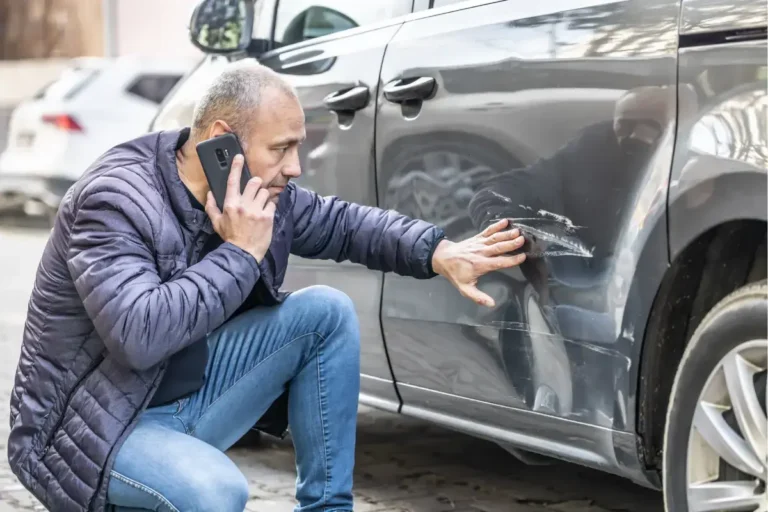
- Immediate aftermath – Call 911 if anyone is injured. Get a police report even for seemingly minor accidents—rental companies will require it. Document the scene with photos of all vehicles, damage, the accident location, and any visible injuries. Exchange information with other drivers and get contact information from witnesses.
- Notifying the rental company – You’re required to report the accident to the rental company immediately, usually within 24 hours. They’ll start a claim file and may require you to fill out an accident report. Be factual but don’t admit fault or speculate about what happened.
- The rental company’s demands – This is where things get aggressive. Rental companies will seek compensation for vehicle damage, loss of use (the income they lost while the vehicle was being repaired), diminished value (the reduction in the vehicle’s resale value even after repairs), administrative fees, and towing and storage costs. These charges can add up to tens of thousands of dollars, far exceeding the actual damage to the vehicle.
- Insurance battles – Your insurance company, the rental company’s insurance, the other driver’s insurance, and potentially your credit card company’s coverage will all try to determine who pays what. Each will try to minimize their own liability.
- Personal liability – If you declined all rental company insurance and your personal coverage is insufficient, you could be personally liable for significant amounts. Rental companies are aggressive about collecting and will pursue legal action if necessary.
Rental Agreement Fine Print That Can Hurt You
Rental agreements are long, dense contracts that most people sign without reading. But buried in that fine print are provisions that can leave you exposed:
- Geographic restrictions – Many rental agreements prohibit driving into Mexico or limit where you can take the vehicle. Violating these restrictions can void your coverage entirely.
- Authorized driver requirements – Only people listed on the rental agreement are covered. If someone else drives and has an accident, you could be personally liable for all damages with no insurance coverage.
- Prohibited uses – Using the rental for commercial purposes, racing, driving on unpaved roads, or other prohibited activities can void coverage.
- Intoxication clauses – Driving under the influence voids all coverage and makes you personally liable for all damages and injuries.
- Time and mileage limitations – Exceeding the contracted rental period or mileage limits can affect coverage and result in additional fees.
- Inspection requirements – Failing to note pre-existing damage during the initial vehicle inspection can result in you being charged for damage you didn’t cause.
What Compensation Can You Recover?
If you were injured in a rental car accident caused by someone else’s negligence, you may be entitled to:
- Economic damages – Medical expenses including emergency treatment, hospitalization, surgery, doctor visits, physical therapy, prescription medications, and future medical care, lost wages from time you couldn’t work, loss of future earning capacity if your injuries prevent you from returning to your job, property damage to personal belongings damaged in the accident, and transportation costs while recovering.
- Non-economic damages – Physical pain and suffering, emotional distress and trauma from the accident, loss of enjoyment of life and activities you can no longer do, permanent scarring or disfigurement, and loss of consortium (impact on your relationship with your spouse).
If you were the renter and another driver caused the accident, you can also seek compensation for rental car costs while your vehicle is being repaired and any out-of-pocket expenses related to dealing with the rental company.
Special Issues with Peer-to-Peer Car Sharing (Turo, Getaround)
Peer-to-peer car sharing accidents present unique challenges:
- Multiple parties involved – The car owner, the platform (Turo/Getaround), the renter, and potentially multiple insurance companies are all involved.
- Variable insurance coverage – Unlike traditional rental companies with consistent insurance policies, Turo and similar platforms offer different protection tiers that car owners choose. The coverage you have depends on what the owner selected.
- Car owner liability – The vehicle owner may have personal liability exposure depending on the platform’s insurance and their own personal auto policy.
- Platform liability – Turo and similar companies try to position themselves as mere technology platforms rather than rental companies, potentially limiting their liability.
- Disputes about vehicle condition – Car owners may claim you caused pre-existing damage, leading to disputes about what damage resulted from the accident versus what was already there.
Liability When Rental Company Negligence Causes Accidents
Sometimes rental car accidents result from the rental company’s negligence rather than driver error:
- Poor vehicle maintenance – Failing to perform required maintenance, ignoring recall notices, or renting out vehicles with known defects.
- Defective vehicles – Renting vehicles with brake problems, tire issues, or other mechanical defects that cause accidents.
- Failure to inspect – Not properly inspecting returned vehicles before renting them out again, missing damage that could affect safety.
- Renting to unqualified drivers – Failing to verify driver’s licenses or renting to drivers with suspended licenses.
When rental company negligence causes your accident, you can pursue a claim against the company for your injuries. However, they’ll fight these claims aggressively to avoid liability.
No matter how or where your wreck occurs, the attorneys at Grossman Law Offices are ready to help you with a free in-person case evaluation. Our standing as a respected member of the Central Valley community makes us the ideal candidate to help you through this difficult experience with patience and expertise. Contact us today for a free consultation with an experienced attorney.
Free ConsultationWhy You Need a Rental Car Accident Attorney
Rental car accidents involve layers of complexity that make handling claims yourself extremely difficult:
- We identify all available insurance coverage – We investigate your personal insurance, credit card coverage, rental company insurance, the other driver’s insurance, and any other potential sources of compensation.
- We handle aggressive rental companies – Rental companies use intimidation and legal threats to maximize their recovery. We know their tactics and how to push back against unreasonable demands for loss of use, diminished value, and inflated damage claims.
- We review rental agreements – We analyze the fine print in your rental contract to identify any provisions that affect liability and coverage.
- We gather critical evidence – We obtain police reports, rental company records, maintenance histories, and witness statements to build your case.
- We work with experts – In cases involving mechanical failures or disputes about vehicle damage, we consult with automotive experts who can analyze the evidence.
- We calculate your full damages – We account for all medical expenses, lost wages, future care needs, and non-economic losses to pursue maximum compensation.
- We negotiate with multiple parties – We handle communications with your insurance, the rental company, the other driver’s insurance, and any other involved parties.
- We protect you from personal liability – If the rental company is pursuing you for damages, we defend your interests and work to minimize or eliminate your personal exposure.
What to Do After a Rental Car Accident
- Ensure safety and call 911 – Get medical help for anyone injured and call police to document the accident.
- Document everything – Take extensive photos of all vehicles, damage, the accident scene, road conditions, and the rental car’s license plate and VIN.
- Report to the rental company – Notify them as required by your rental agreement, but keep your statement factual and brief.
- Don’t admit fault – Even if you think you caused the accident, don’t admit fault to anyone. Let the investigation determine liability.
- Preserve the rental agreement – Keep all rental paperwork, including the agreement, insurance options you selected, and vehicle inspection report.
- Get medical attention – Even if you feel fine, get checked out. Some injuries don’t show symptoms immediately.
- Don’t give recorded statements – Insurance adjusters will try to get you to give recorded statements. Politely decline and refer them to your attorney.
- Don’t accept quick settlements – Rental companies and insurance companies may push for quick settlements before you understand the full extent of your injuries or liability.
- Contact an experienced rental car accident attorney immediately – The sooner we get involved, the better we can protect your rights and minimize your liability exposure.
Time Limits for Filing a Claim
California’s statute of limitations gives you two years from the date of the accident to file a personal injury lawsuit. However, rental companies may have shorter deadlines in their agreements for reporting accidents and filing claims against them.
Don’t wait—evidence disappears, witnesses’ memories fade, and rental companies become more aggressive when you don’t have legal representation early on.
Contact a Fresno Rental Car Accident Attorney Today
Rental car accidents are complicated, but you don’t have to face rental companies and insurance battles alone. Whether you were injured in a rental car, hit by someone driving a rental, or facing demands from a rental company for damages, you need experienced legal representation.
At Grossman Law Offices, we’ve recovered millions for accident victims throughout California. We know how to handle the unique challenges of rental car accidents, and we’re not intimidated by large rental companies and their aggressive collection tactics. We work on a contingency fee basis—you pay nothing unless we win your case.
Don’t let a rental company or insurance company take advantage of you. Contact us today for a free, confidential consultation. We’ll review your case, explain your legal options, and fight for the best possible outcome.
Call us now at (800) 462-5555 or contact us online. We’re available 24/7 and serve Fresno, the Central Valley, and all of California.