


After a serious accident, medical bills and missed paychecks are only part of what you may be dealing with. Pain can interfere with sleep, work, time with your family, and activities you enjoyed before you were hurt. The frustration and emotional toll can be just as real, even though there is no bill showing what they cost.
California allows injured people to seek pain and suffering compensation in many personal injury cases. There is no standard payout, though. What you may be able to recover depends on how the injury has affected your life, the evidence supporting your claim, who was responsible, and the insurance or other resources available.
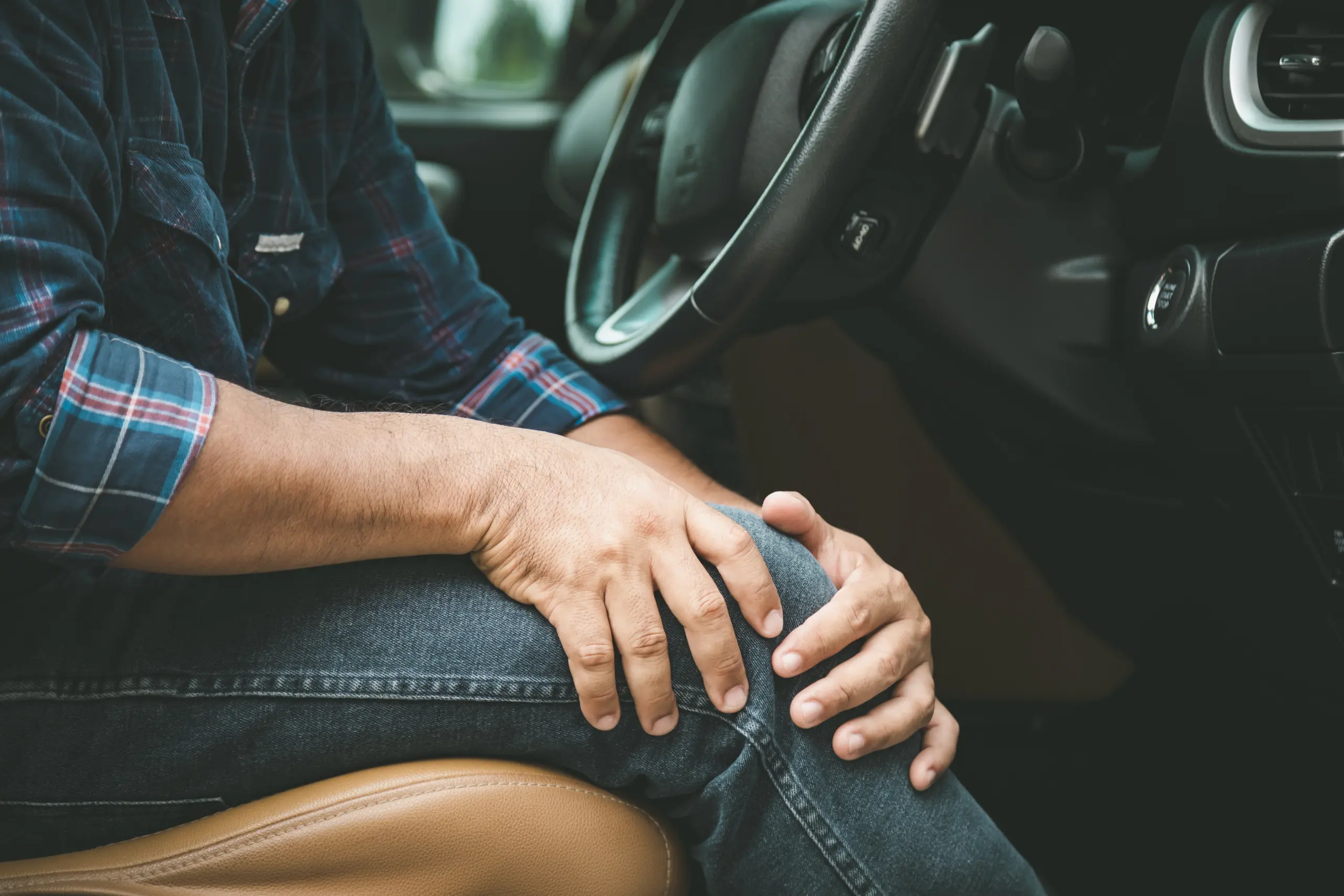
What Does Pain and Suffering Cover?
Pain and suffering damages are considered non-economic damages because they compensate you for personal losses rather than a specific expense.
Depending on the injury, that can include physical pain, emotional distress, anxiety, inconvenience, disfigurement, physical limitations, and loss of enjoyment of life.
For example, an injury may keep you from sleeping through the night, picking up your child, driving comfortably, or participating in activities that used to be part of your routine. You can consider those changes alongside the financial losses caused by the accident.
Economic vs. Non-Economic Damages
It helps to separate the two when looking at the value of a personal injury claim.
Economic damages cover financial losses that can usually be documented with records, such as medical expenses, lost wages, future treatment, or reduced earning ability.
Non-economic damages address the personal impact of the injury, including pain and suffering.
Suppose you need help around the house because an injury makes it difficult to stand or lift. The cost of hiring someone may be an economic loss. The frustration of no longer being able to handle those responsibilities yourself is a different kind of loss.
A personal injury settlement may include both, but you should not count them as the same thing.
What Can Affect Pain and Suffering Compensation?
There is no single factor that decides what pain and suffering settlement amounts should be. An attorney will usually look closely at how serious the injury is, how long symptoms have lasted, and what doctors expect going forward.
Your everyday experience matters too. An injury that keeps you from working, caring for your family, sleeping normally, or enjoying activities you once loved can have a much broader effect than medical bills alone show.
Other parts of the case also matter. If fault is disputed, your recovery may be affected. Insurance coverage can influence what money is available, even when your losses are substantial.
Free In-Person Consultation
No matter how or where your wreck occurs, the personal injury attorneys at Grossman Law Offices are ready to help you with a free in-person case evaluation. Our standing as a respected member of the Central Valley community makes us the ideal candidate to help you through this difficult experience with patience and expertise. Contact us today for a free consultation with an experienced attorney.

How Is Pain and Suffering Calculated?
California does not give juries a fixed formula for deciding these damages. Instead, jurors are instructed to determine a reasonable amount based on the evidence and their judgment.
You may still hear about two common ways of estimating personal injury pain and suffering during settlement discussions.
With the pain and suffering multiplier approach, economic damages are multiplied by an assumed number to suggest a possible non-economic amount. With per diem pain and suffering, a daily amount is assigned for a period of time.
California law doesn’t require either method, and no standard multiplier or daily rate applies to every case. They are simply ways lawyers or insurers may discuss value. The evidence in your case matters far more than plugging numbers into a calculator.
Evidence Checklist: How to Document Pain and Suffering
Pain is personal, so good documentation can help other people understand what you have actually been going through.
Here’s what to keep track of:
- Medical care: Save visit summaries, treatment records, specialist reports, prescriptions, restrictions, and other records related to the injury.
- How your symptoms affect you: Keep notes about specific problems, such as difficulty sleeping, driving, standing for long periods, or handling responsibilities at home.
- Changes over time: Record when symptoms improve, worsen, or interfere with something you normally do. Your notes should reflect good days as well as difficult ones.
- Photos: Save dated photos of visible injuries, swelling, scarring, or other physical changes when relevant.
- Work and activity changes: Keep records of missed work, reduced duties, canceled plans, or activities you can no longer do comfortably.
- What others have noticed: Family members, friends, and coworkers may be able to describe changes they personally saw after the accident.
When thinking about how to prove pain and suffering, specific examples are much more helpful than simply saying the injury was painful. A note explaining that back pain kept you awake three nights that week gives a clearer picture of what you experienced.
Are Pain and Suffering Damages Capped in California?
There is no blanket cap that applies to every California personal injury case.
Most ordinary negligence claims, including many car accident cases, are not subject to a general limit on pain and suffering damages. However, California has special rules for certain types of claims.
Medical malpractice cases are subject to statutory limits on non-economic damages. California law can also restrict recovery of pain and suffering in some vehicle accident cases involving uninsured owners or drivers and certain drivers convicted of DUI.
Because exceptions depend on the facts, don’t assume a general settlement estimate applies to every case.
What If the Insurance Company Makes a Low Offer?
An insurance company’s first offer does not decide what your claim is worth.
If the offer seems to leave out important parts of what you have experienced, look at what evidence the insurer considered. Medical records, documented changes in your daily life, future treatment needs, and other supporting information may justify asking for more.
Before signing anything, make sure you understand which claims the settlement will end and what will be deducted for medical liens, attorney fees, or case costs.
If the insurance company’s offer seems too low, read our guide to responding to a low settlement offer for more on what to consider before you accept.
Talk to Grossman Law Offices About Your Injury Claim
An accident can take more from you than the money you spend on treatment. If pain, physical limitations, or emotional distress have changed the way you work, care for your family, or live your everyday life, those losses should not be overlooked.
Grossman Law Offices has spent decades helping injured Californians understand what their claims may be worth and pushing back when insurance companies undervalue them.
Tell us about your case so we can get started.
You won’t pay any attorneys’ fees or costs unless we win your case.
Frequently Asked Questions
There is no universal amount. The value depends on the injury, how long its effects last, the impact on your life, the evidence available, fault, and applicable insurance coverage.
No. California does not require a standard multiplier. Any multiplier used during negotiations is only an estimate and does not guarantee a particular settlement or verdict.
Yes. Medical expenses are economic damages. Pain and suffering covers non-economic harm, such as physical pain, emotional distress, and loss of enjoyment of life.
Often, yes, if another party is responsible and California law allows recovery in your particular situation. Certain uninsured drivers and owners may face restrictions.
Review what the offer covers and what may be missing. An attorney can compare the offer with your medical evidence, financial losses, daily-life impact, insurance coverage, and the rights you would give up by signing a release.